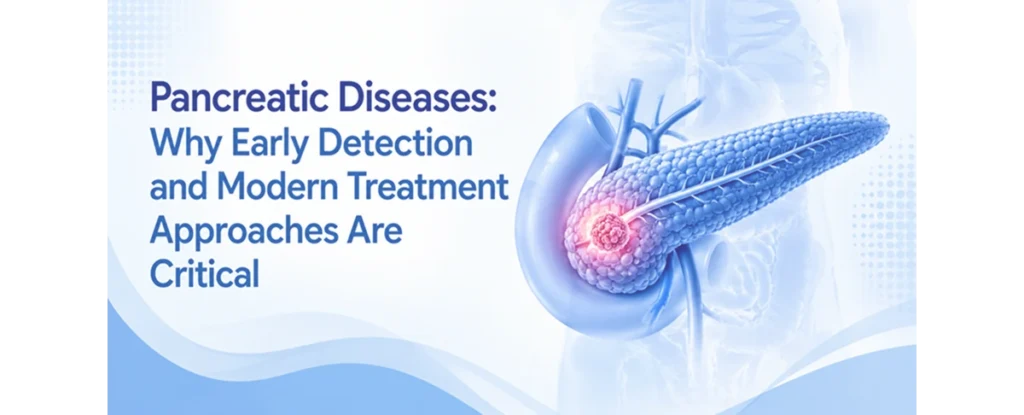
Pancreatic Diseases: Why Early Detection and Modern Treatment Approaches Are Critical

BY: Dr. Neeraj Chaudhary, Senior Director & Head
GI Surgery, GI Oncology & Robotics
Fortis Hospital, Vasant Kunj, Delhi
Pancreatic diseases are rapidly emerging as a major health concern due to their silent progression, delayed diagnosis, and complex treatment requirements. The pancreas is a vital organ responsible for digestion and blood sugar regulation, and disorders affecting it can seriously impact overall health and quality of life.
One of the biggest challenges with pancreatic diseases is that symptoms are often ignored or appear only in advanced stages. As a result, many patients seek medical help late, when complications have already progressed. Medical experts stress that increasing awareness, recognizing warning signs early, and adopting modern treatment approaches are essential for improving survival and recovery outcomes.
Major Pancreatic Diseases and Their Symptoms
1. Pancreatic Cancer
Pancreatic cancer is among the most aggressive gastrointestinal cancers because it is frequently diagnosed at an advanced stage.
Common Symptoms
- Unexplained weight loss
- Jaundice (yellowing of eyes and skin)
- Persistent abdominal or back pain
- Loss of appetite
- Indigestion and digestive disturbances
- Weakness and fatigue
Experts warn that persistent digestive symptoms and unexplained weight loss should never be ignored, especially in individuals with diabetes, smoking history, obesity, or family history of pancreatic disorders.
2. Acute Pancreatitis
Acute pancreatitis is a sudden inflammation of the pancreas that can become life-threatening if not treated immediately.
Common Causes
- Gallstones
- Excessive alcohol consumption
- High triglyceride levels
- Infections
- Metabolic disorders
Symptoms
- Severe upper abdominal pain
- Nausea and vomiting
- Fever
- Bloating and digestive discomfort
Delayed treatment may lead to severe infection, organ failure, or ICU admission.
3. Chronic Pancreatitis
Chronic pancreatitis is a long-term inflammatory condition that gradually damages pancreatic function.
Symptoms and Complications
- Chronic abdominal pain
- Difficulty digesting food
- Weight loss
- Diabetes risk
- Nutritional deficiencies
Without proper treatment, chronic pancreatitis can severely affect daily life and long-term health.
4. Pancreatic Cysts and Neuroendocrine Tumors
Pancreatic cysts and neuroendocrine tumors are increasingly being detected through advanced imaging techniques. Some cystic lesions may become cancerous over time, making regular monitoring extremely important.
Important Diagnostic Tools
- MRI scans
- Endoscopic Ultrasound (EUS)
- Advanced pancreatic imaging
- Precision-guided biopsy techniques
Why Modern Techniques Are Necessary in Pancreatic Care
Traditional pancreatic surgeries were often associated with large incisions, prolonged hospital stays, higher blood loss, and delayed recovery. However, advancements in robotic and minimally invasive surgery have transformed pancreatic disease management significantly.
Benefits of Modern Robotic and Minimally Invasive Techniques
- Greater surgical precision
- Smaller incisions and reduced pain
- Faster recovery and shorter hospital stay
- Reduced blood loss and complications
- Better preservation of surrounding organs and tissues
- Improved postoperative quality of life
Modern pancreatic care now combines advanced imaging, robotic GI surgery, precision oncology, endoscopic procedures, and multidisciplinary treatment planning to deliver safer and more effective outcomes.
Why Timely Check-Ups Are Important
Doctors strongly advise individuals not to ignore persistent digestive problems, unexplained weight loss, jaundice, chronic abdominal pain, or sudden appetite loss. Early screening and timely intervention can significantly improve treatment success, especially in pancreatic cancer and chronic pancreatitis cases.
To address the growing urgency surrounding pancreatic diseases and provide patients with access to advanced pancreatic care, modern diagnostics, robotic surgery, and multidisciplinary treatment approaches. Dr. Neeraj Chaudhary, Senior Director & Head – GI Surgery, GI Oncology & Robotics, Fortis Hospital, Vasant Kunj, Delhi, has launched a dedicated pancreatic clinic aimed at offering specialized and comprehensive care for patients suffering from pancreatic disorders.